Complete Vastu Guide for Home and Office with Remedies
By maximizing the flow of energy inside a space, the ancient Indian discipline of building, Vastu Shastra, is meant to produce harmony between people and environment. Applying Vastu ideas can improve general prosperity, well-being, and productivity whether at your house or place of business. Understanding Scientific Vastu is essential in the modern world when practical design and scientific reasoning are equally valued as conventional wisdom.
Designed from an architect’s point of view, this Complete Vastu Guide for Home and Office provides a thorough, room-by–room description of Vastu ideas. This guide includes everything you need to create not just aesthetically pleasing but also energetically balanced environments from the living room to the home office, from stairways to colors.
What is Vastu Shastra?
Combining art, astronomy, astrology, and science, ancient Indian architectural science known as Vastu Shastra generates harmonic living and working environments. Derived from the Sanskrit terms “Vastu,” (meaning residence) and “Shastra,” (meaning science or knowledge), it lays down ideas for developing buildings that fit with the natural elements and cosmic forces.
Vastu’s central concept is to balance the eight cardinal directions with the five basic elements—Earth (Bhumi), Water (Jal), Fire (Agni), Air (Vayu), and Space (Akash). This will help to improve good energies, health, wealth, and general well-being.
Modern Vastu stresses scientific thinking despite strong roots in history and provides useful advice on site selection, building orientation, room placement, ventilation, lighting, and interior design. Applied carefully, Vastu Shastra guarantees comfortable living and working surroundings in addition to adding spiritual value.
Importance of Vastu for Home and Office
Whether our houses or offices, the environments we live in greatly affect our general success, mental state, and physical condition. Vastu Shastra guarantees a balanced and rich life by providing time-tested ideas that enable harmonization of these areas with the forces of nature.
Why Does Vastu Matter for Houses?
- Medical and Well-Being: Better health and happy living result from well placed rooms and elements like water supplies, kitchens, and beds.
- Financial Stability: Aligning entrances, cash lockers, and property layouts according per Vastu would help to attract money and success.
- Family Harmony: Careful design helps to create a good atmosphere at home, emotional stability, and stronger relationships.
Why Vastu Matters for Offices?
- Focus and productivity: Correct workspace layout and desk orientation help to increase focus and efficiency.
- Success & Growth: A Vastu-compliant office improves business prospects, draws customers, and encourages expansion.
- Employee Morale: Balanced energy flow produces a stress-free, stimulating workplace that lowers conflict and raises employee morale.Whether your personal refuge or your business hub, Vastu Shastra offers a scientific and logical framework to maximize areas in the fast-paced world of today, therefore increasing their suitability for success, calm, and wealth.
Scientific Importance of Vastu Shastra
Although Vastu Shastra has its roots in ancient traditions, many of its ideas closely match current scientific ideas of energy flow, natural elements, and environmental design. Vastu stresses the harmony among the five fundamental elements—Earth, Water, Fire, Air, and Space—that directly connect to architectural and ecological concerns.
For instance:
- Directional Alignment: Vastu recommends particular orientations for bedrooms, kitchens, and doors that match solar movement and wind patterns, so optimizing natural light, ventilation, and thermal comfort.
- Energy Flow: Modern knowledge of preserving excellent air circulation and space ergonomics to support well-being is related to the concept of unimpeded “Prana” (life energy).
- Use of Elements: Location of water bodies in the northeast or fire elements in the southeast indicates rational thinking based on climatic behavior and seasonal fluctuations.
Furthermore acknowledged by modern architects and environmental psychologists is how natural balance and space arrangement affect human psychology, output, and health. Thus, when seen objectively, Vastu Shastra provides workable design ideas that improve comfort, sustainability, and positive energy in both homes and offices.
What This Complete Vastu Guide Covers?
Combining ancient knowledge with contemporary architectural ideas, this Complete Vastu Guide for Home and Office provides a thorough, room-by–room treatment of Vastu ideas. This guide will help you grasp whether your home or office is simple enhancement of positive energy, renovation, or establishing a new space:
- The basic ideas of Vastu Shastra, including the five elements and the part directions play.
- Scientific justifications for Vastu concepts for improved practical relevance and clarity.
- Particularly for every area of your house—including the living room, bedroom, kitchen, pooja room, and stairway—specific Vastu rules.
- Vastu ideas for home offices and business environments to increase output and success.
- How can Vastu help to maximize colors, interiors, doors, windows, and walls?
- Easy fixes to offset Vastu flaws without building modifications.
- By the time this guide ends, you will have a clear, practical road map to design harmonic, rich environments in line with natural forces.
Fundamental Ideas of Vastu Shastra
Vastu Shastra is a whole science acknowledging the Earth as a living entity, not only a set of architectural rules. Vastu claims that every particle on Earth has life energy and that balancing five basic components and following natural forces brings harmony between people and their created environment.
The Energy Grid: Vastu Purusha Mandala
The basis of Vastu design is the revered energy diagram known as the Vastu Purusha Mandala. Representing a cosmic creature (Vastu Purusha), it shows him laying with his head in the northeast and feet in the Southwest. This grid controls spatial layout and guarantees effective use of the energy of the Earth, nature, and the cosmos for the benefit of the residents.
Scientific Vastu Factor: Five Elements
Vastu centers on the Panchabhutas, five elements:
- Space (Aakaasha): The unbounded emptiness shielding other elements, so impacting waves, gravity, and light.
- Air(Vaayu): Essential for breathing, comfort, and ventilation, air (Vaayu) directly affects humidity, temperature, and health.
- Fire (Agni): Essential for direction and kitchen placement; symbolizes energy, vitality, and passion; source of light and heat.
- Water(Jala): Fundamental for life, water (Jala) is shown by rivers, rain, and oceans; it controls flow of money, health, and prosperity.
- Earth (Bhumi): The grounding force; directions, seasons, and gravitational balance are strongly influenced by its magnetic field and rotation.
Knowing these components helps us to create harmonic and life-enabling environments.
Cardinal Directions in Vastu and Their Meaning
- Every cardinal direction in Vastu has individual energy signature:
- North: Riches and wealth.
- South: Strength and dependability.
- East: Social contacts and health.
- West: Satisfaction and enrichment.
- Northeast: clarity and spiritual development.
- Southwest: Anchoring and security.
- Southeast: Passion and vigor.
- Northwest: Support structures and relationships.
By aligning several rooms and purposes with these orientations, one guarantees that the flow of energy in a space fosters success, health, and pleasure.
Scientific Vastu and Colours
Our body absorbs colour energy through the vibration each colour gives off. Through colour, we receive all the energies we need to maintain a healthy body, mind, and soul. When something goes wrong or is out of balance, we can strengthen our energy centers through the conscious use of colour. Healing by exposing a diseased body to the right coloured light, is known as Colour Therapy, and was the first type of treatment therapy used by man. So even in ancient times, colours played an important role in Vastu Shastra.
In Vedic periods, all colours were obtained from vegetables and flowers. Though the options were far less than what are available today, they were more permanent, soothing to the eye and more natural in appearance.
WHAT ARE THE EFFECTS OF COLOURS ON HUMANS ACCORDING TO VASTU?
Light consists of the seven primary colour energies: VIBGYOR or Violet. Indigo, Blue, Green, Yellow, Orange and Red. Each colour is associated with a particular part of our body and will affect us differently emotionally, physically, and mentally. It has been scientifically confirmed that colours affect us, though we may not be aware of it. Our mood, health, happiness are all affected by the colours around us. For example, at times we like wearing bright colours, while sometimes we prefer to wear dull ones. This is why Colour Therapy has become popular today. Here I have explained the effects of different colours on us:
- RED: represents power, vitality and zest. It displays warmth and enlightens our mood the moment we look at it. It ignites passion and desire and creates excitement and enthusiasm for life. It is used in those areas where one needs excitement, warmth and elegance. However too much of red can induce aggression and violence.
- ORANGE: Orange colour inspires spirituality as it represents transcendence and an otherworldly aspect of life. No wonder spiritual people wear saffron robes. It also has the ability to stimulate our appetite. It enhances communication, positive feelings, cheerfulness and interaction.
- YELLOW: Yellow is associated with Sun and so is a very bright and energizing colour. It stimulates the brain and nurtures clarity of mind. Yellow also gives patience and wisdom. Hence it is recommended for all rooms where brainpower is used such as study room, office etc. This colour is however not recommended for rooms where sunlight enters directly to the room.
- WHITE: White symbolizes purity. It’s an elegant colour and looks good when combined with other colours. This colour is recommended for ceilings since the light reflects and brightens the room.
- GREEN: Green represents harmony and peace. As green is symbolic of nature, it generates calm and inner peace in the house. It also augments intelligence. Green is good for a study room as it rejuvenates the ideas. Green goes with every other colour and makes it a natural neutral.
- BROWN, GREY, DARK LUE, BLACK : It is best to avoid colours like brown, dark blue, black and grey in a study room and rooms were we want to be active because these colours make us lazy and may cause frustration and depression.
- BLUE: Blue, the colour of the sky and water, is associated with nature and so naturally creates calm, tranquility and peace in the mind of the beholder. This colour is recommended for bedroom, meditation room or for a room designed for relaxing or sleeping. However, if used indiscriminately, it can produce strong feelings of melancholia and uneasiness and can be quite depressing.
- PINK: Pink color reflects joy, happiness and pure feelings, essential for a happy life.
WHAT ARE THE VASTU SHASTRA GUIDELINES FOR CHOOSING COLOURS FOR A HOUSE?
Choosing the right colour scheme for our house can be a difficult task. This is where Vaastu Shastra comes to our aid. According to Vaastu, there are two thoughts on how colours for a house should be selected, as explained here:
Zodiac Sign of the owner: In the first and most commonly followed method, the colour schemes are selected in conformance with the raashi (constellation / zodiac sign) of the owner to bring good luck and happiness.
- Aries – Coral red
- Taurus – Milky white
- Gemini – Green
- Cancer – Rose red, pearl white
- Leo – Ruby red, dim white
- Virgo – Emerald green
- Libra – Cement color, milky white
- Scorpio – Pink, coral red
- Sagittarius – Golden yellow
- Capricorn – Dim red
- Aquarius – Pink, blue
- Pisces – Yellow, pure white
Direction of the building: In the second method, the colour scheme is chosen according to the direction the building/room faces. Each direction is associated with a particular colour, which is actually the colour of the planet governing that direction.
- East (Sun) – Brown
- West (Saturn) – Grey
- North (Mercury) – All greens
- South (Mars) – Pink, coral red
- North-East (Jupiter) – Golden yellow
- South-West (Rahu) – Blue
- South-East (Venus) – Silver white
- North-West (Moon) – White
WHAT ARE THE VAASTU GUIDELINES FOR COLOUR SHADES FOR ROOMS OF A HOUSE?
Since blue is a cool shade and red is a warm colour, people often feel cold in a blue room and warm in a red room. It is the colour that makes them feel that way. So when painting rooms of a house, one must keep these points in mind and choose colours according to the amount of light and warmth in the room. Accordingly;
- Room with poor daylight: It should be painted with light colours.
- Room with lot of natural light throughout the day: It can be painted in some deep color.
- Room that gets direct sunlight: It is not advisable to paint the walls yellow or peach.
- Room that has only a North window which admits cold light: Avoid the use of blue on the walls.
- Ceilings: It is preferable to paint ceilings white since the ceiling temperature should be less than the human body temperature.
WHAT ARE THE VASTU GUIDELINES FOR THE USE OF ‘COLOUR CONTRASTS’ IN A HOUSE?
Colour contrast is perhaps the most important factor in a composition or a design. Maximum contrast is obtained by the use of colours of extremely strong chromes. For example, a strong yellow on a black background is an excellent example of maximum visibility and is therefore used all over the world to highlight road signs, dividers and taxis. Explained here are the contrasts created by the use of different colours:
- Black: Black makes colours both brighter and lighter in appearance. For example, in a painting, a face against jet black hair, appears more luminous for this reason.
- Grey surrounding an intense colour: can increase the apparent colorfulness of the intense colour. It appears even brighter or brilliant.
- Intense colour surrounding grey colour: can make the grey appear less grey and on the other hand, the greying of the bright colors. For example, grey surrounded with yellow will appear slightly blue. Grey surrounded by red, will appear slightly green etc.
- Blending of colours: One must always bear in mind that no individual is completely white (good) or black (bad), but is an amalgam of the two- Grey. A sensible good blending can create a forceful creation.
Complete Vastu Guide for Home
A balanced and rich life depends on a well-balanced house. This Complete Vastu Guide for Home offers thorough understanding on how to match your living environment with Vastu Shastra’s ideas. From the front and living room to bedrooms, kitchen, and pooja room, this guide covers every area of the house helping you to harness positive energy and design a home that supports your health, happiness, and prosperity. Whether your project is building, remodeling, or just wanting to improve the energy flow in your house, this guide provides doable, scientifically based Vastu ideas to better your living situation.
Vastu for Doors and Windows
In Vastu Shastra, the door and window positions are important because they not only let in the air, light and energy into the rooms of the house, but also provide protection against negative energies around. If they are in the right positions, then there is a positive flow of air, light and energy from the outside to the inside and from room to room, thus enhancing the health and the lives of the inmates and creating a feeling of contentment and happiness.
Before designing and constructing doors and windows for your next house, take into consideration the points listed here as they play a crucial role in determining the flow of Vastu energy in your house.
Since Vastu is a science, every guideline is based on logic and reasoning. As an Architect, I have attempted to explain each of these guidelines rationally and scientifically under the following headings, so that you have a choice and can decide what you want to follow or don’t instead of looking at Vastu as a superstition:
HOW MANY DOORS AND WINDOWS SHOULD THERE BE IN A HOUSE?
- Even number of doors – This must be due to the symmetric designs of houses in the earlier days. Even number of rooms were placed on either side of the line of symmetry. So the number of doors was also even.
- There should be an even number of windows in the house, like 2, 4, 6, 8 etc. Avoid odd number of windows like 1, 3, 5, 7, 9 . The Reason – It must have something to do with symmetry and the structure of the house, because in earlier times, the buildings had wooden roofs with rafters etc. So the positioning of windows was based on the roof grid. However, you can have any number of windows, depending on your requirement.
WHAT IS THE BEST LOCATION FOR DOORS IN A HOUSE?
- For internal doors – Ideally, doors and windows should be placed opposite to each other so that both the positive and negative cycles are completed. The Reason – This is done to enable the proper flow of air thus facilitating cross-ventilation between rooms. If there’s a presence of stagnant air in your premises, having an insufficient flow of air within your house can promote the growth and development of harmful virus and bacteria. The resultant stagnant air arising out of this may not be suitable for the house inmates. Proper ventilation thus ensures happy and healthy living.
- Any door should not be placed in the centre of a wall. It should ideally be far away from the centre while taking adequate care to not place it in the extreme corner either. The Reason – It is best if any opening is not in the corner as cracks can form and some bearing is needed to support the lintel of the opening. Doors should also be avoided in the middle of a wall as structurally it is not very sound.
- If your house comprises of two main doors then, in that case, opt for a combination of doors in East with North and West, West with North and East. However, the direction of South and West/East should be avoided as it’s considered inauspicious. The Reason – Doors on opposite walls help in the flow of air and energy and prevent stagnation of air within the house.
For the Main door – it is advisable to follow the rules explained below. The Reason – Every time you enter your house you activate a presiding energy in relationship to the mandala of the house at that point. A door must be precisely located in order to activate the beneficial energy.
WHAT IS THE BEST LOCATION OF THE MAIN DOOR?
To figure out where to place a main door, imagine that you are standing outside the house, facing the front of the house. Divide the front facade of the house into two parts with an imaginary, middle, vertical line. The door should be placed towards the centre, either in the left or the right half, depending on the direction the house faces.
- For a East facing House – Avoid placing a door in the left half (South-East), instead place it in the right half, that is towards the North-East. The Reason – Since the North-East corner of a plot is to be left open, for sunlight to enter the house, it makes sense to enter from this space but only after leaving as much of window openings towards the North and East.
- The door should not be at the corner of the walls, but a few feet away from the corner junction. The Reason -Its preferable to have more window openings towards the North and East to allow constant sunlight through the day. Since the door is opaque, it should be placed away from the N-E corner, more to the centre.
- For a South-facing House – Avoid placing a door in the left half (South-West), instead place it in the right half, that is in the South-East. The Reason- It is always preferrable to have minimum number of openings in the South-West since the hot infra-red rays of the evening sunlight are projected maximum to this direction.
If a house has a main entrance in the South there should be one more corresponding to it in the North direction also. The Reason – To allow the constant light from the North into the house.
- For a West-facing house – Avoid placing a door in the right half (South-West), instead place it in the left half, that is in the North-West. The Reason – It is always preferrable to have few openings in the South-West since the hot infra-red rays of the evening sunlight are projected maximum to this direction.
- If a house has a main entrance in the West it should have a corresponding door in the East also. The Reason -To allow maximum, useful UV rays found in the morning sunlight, into the house, since it is beneficial for health of the inamtes. (vitamin D synthesis)
- For a North-facing house – Avoid placing a door in the right half (North-West), instead place it in the left half, that is in the North-East. The Reason – Its preferable to have more openings in the North and East to allow sunlight constantly, through the day. Since the door is opaque, it should be placed more to the centre of the wall and windows should be kept in the North-East.
WHAT IS THE BEST LOCATION OF THE WINDOWS IN A HOUSE?
- The windows should be opposite to the doors so that both the positive and negative cycles are completed. The Reason – This is to allow the proper flow of air from room to room thus facilitating cross-ventilation between rooms. If there’s a presence of stagnant air in your premises, having an insufficient flow of air within your house can promote the growth and development of harmful virus and bacteria.
- The windows in the North wall should be more towards the North-East and should be long and wide. The Reason – So that air and constant and useful morning light from North-East can permeate the house.
- The windows in the East wall should be more towards the North-East and should be long and wide for the same reason as explained above.
- Avoid too many windows in the South-West directions. The Reason – The harmful, hot infra red rays of the Sunlight are projected maximum to the South-West direction in India. Hence it is preferable to have less openings in this direction.
WHAT ARE THE SPECIFICATIONS FOR DOORS AND WINDOWS?
All the windows in your house should ideally be of uniform and consistent shape while also being proportionate in height and size as well. Moreover, doors and windows should be rectangular in shape. Avoid having fancy shaped and irregular sized doors as they are not considered auspicious. The Reason – Uniform and consistent shapes looks more aesthetic than windows of different sizes and shapes. Rectangular shape is the most stable shape structurally.
Automatic doors should be avoided at all costs. As per Vastu, doors which close automatically are said to affect the health of children. The Reason – Automatic doors can malfunction and there is the likelihood of children having their fingers stuck in the doors.
Doors and windows should be devoid of any damage or cracks. If any damage or cracks are there, they should ideally be replaced urgently as it’s considered to be extremely inauspicious as per Vastu. The Reason – The cracks can weaken the doors if they are not attended to immediately.
If your door or windows make noise or creaks while opening or closing, it should be repaired or replaced as soon as possible or it could result in unneeded quarrels in your house. The Reason – Creaking doors sound ominous and indicate loose hinges. They need to be tightened.
Vastu for Staircase
A Staircase is a series of steps connecting different levels in a Building. Stairs allow you to move from one level of the home to another level – easily and comfortably. Hence in a House with more than one level, the Staircase will be used everyday, a number of times. Hence the Staircase should be comfortably designed for the users. The Staircase is usually accessed from the Dining Room.
Listed here are some Vastu Guidelines for design of staircase. Since Vastu is a science, every guideline is based on logic and scientific reasoning. As an Architect, I have attempted to explain these guidelines rationally and scientifically, under the following headings, so that you can decide what you want to follow and what you don’t, instead of looking at Vastu Shastra as a superstition.
ACCORDING TO VASTU, WHAT IS THE BEST LOCATION FOR A STAIRCASE?
- The staircase should be in the South-West, South or West. However, it is not advisable to build a Staircase on the North-East side. The Reason – The North-East is to be left open according to Vastu, in order to allow the morning sun rays to enter the house. Hence if a staircase is kept in this corner, it will block the sunlight. But if there is no other choice, the staircase can be placed here as the internal circulation is also important.
- Avoid internal staircase in the corners or the centre of the house: The Reason – If an internal staircase is in the corner, the room from which it is accessed cannot be used properly. Similarly, if the staircase is in the center, a lot of useful circulation space is wasted.
ACCORDING TO VASTU, WHAT IS THE IDEAL DIRECTION OF THE STAIRCASE FLIGHT?
- The first flight should be from East to West or North to South. The Reason – This will ensure that the lower steps will be in the East or North, while the higher steps will be in the West or South. Thus the useful, morning light from the East and the constant light from the North will not be blocked by the Steps.
- Turn clockwise when turning into the next flight: The Reason – Since most people are right handed, they tend to hold the handrail on the right hand side. So when they turn onto the next flight, it makes sense to continue holding the right handrail, for which the next flight should be on the right side which means one has to turn clockwise
WHAT ARE THE SPECIFICATIONS FOR STAIRCASES IN VASTU SHASTRA?
- There should be odd number of risers in a staircase: For example 15, 17, 19 are acceptable. The Reason – Since most people are right handed, they generally put their right foot first, while climbing a staircase. So when they end the climb, they prefer to end on the right foot. This is possible only when there are odd numberof steps. It is for this reason that the right foot is equated with gain, the left with loss.
- Avoid circular or spiral staircase: The Reason – A circular staircase takes up and wastes a lot of space, especially in the corners and in the rooms adjacent to it. A spiral staircase is very uncomfortable to climb and not very safe. Also the space below it is not very usable and there is the risk of bumping into it as there is no proper head room.
- Avoid rooms under a staircase: The Reason – Often, people use the space below a staircase for small rooms like Toilets, Safe, Puja etc. But every time people climb the steps, a person using the room below gets an uneasy feeling of somebody stamping on their head. He doesn’t feel safe either, as if the whole thing will collapse on him.
WHAT ARE THE IDEAL COLOURS FOR A STAIRCASE ROOM?
The ideal colours of the staircase area are light colors. The Reason- One can see the steps clearly, if the whole area is painted a light color as this reflects light.
Vastu for Verandah
A verandah is a roofed, open, pillared gallery built in front of the House that leads into the House. It is often partly enclosed by a railing and frequently extends across the front and sides of the building. It is the space that one enters after entering through the Main Gate.
Listed here are some Vastu Guidelines for the design of a Verandah. Since Vastu is a science, every guideline is based on logic and scientific reasoning.
WHAT IS THE BEST POSITION FOR A VERANDAH ACCORDING TO VASTU?
- Verandah should be in the North or East part of the House: The Scientific Reason – A Verandah is a good place to sit out and relax. And while sitting, it is useful to get exposed to the Sun’s rays as they aid in the synthesis of Vitamin D and improve the general well-being of a person. The ideal position for this would be in the North, where there is constant sunlight and the East where there is morning Sunlight.
- The Verandah should not be to the South or the West sides of the main building. The Scientific Reason – The West and South sides tend to get too heated up since the Sun is in the South and West at midday and in the afternoon.
WHAT ARE THE VASTU GUIDELINES FOR A VERANDAH?
- Heavy furniture and seating should be placed in the South-West of the Verandah: The Scientific Reason – The North and East parts of the Verandah should not be obstructed by heavy furniture, so that the pleasant, morning sunlight can stream in and light up the whole place and permeate further into the house.
- Small plants can be placed in the North-East of the Verandah: The Scientific Reason – Plants need sunlight to thrive and so should be placed in the North-East, where there is constant, morning sunlight. However, only short plants and small flower pots are preferred because if they grow too tall or grow up a pillar, they will obstruct the light into the Verandah.
Vastu for Upper Floors
Multi-level houses have upper floors which are reached through the Staircase. The Upper Floors are less noisy since the inmates spend more time together as a family in the living room, dining room and kitchen in the ground floor. The upper floors are generally used for private spaces like bedrooms, study rooms and family rooms where the inmates unwind, retire after a hard day’s work and sleep. The energy in the upper floors should be restful and comforting.
So, is there a way to make the upper floors a peaceful and soothing area? According to Vastu Shastra, the right placement of the rooms, the furniture, the doors and windows, the lighting and colours in the upper floors will ensure that it becomes a space full of calming energy. To know more about making the upper floor a vastu compliant space, read on…..
WHAT ARE THE VASTU GUIDELINES FOR THE PLACEMENT OF ROOMS IN THE UPPER FLOORS OF A HOUSE?
- The Balconies in the Upper floors should be in the North, East or North-East: It should not be in the South-West corner. The Scientific Reason – A balcony or terrace in the North-East corner is preferred over a room , since this will allow the sunlight into the rest of the house. Moreover, it is comfortable sitting out in a balcony that faces the East and the North instead of the hot West or South. Also, one can expose oneself to the useful morning sunlight in this balcony.
- The Bedrooms and Study rooms should be in the Upper floors: The Scientific Reason – Bedrooms, Toilets and Study rooms are private spaces which require calm and peace. By keeping them upstairs, away from the bustle of the main house, one can enjoy peaceful rest here.\
- The main bedrooms should be in the South: The Scientific Reason – The North is meant for the Living room and entertaining guests. Hence a private space like a Bedroom should be located far from the front and ideally, that is the South.
- Avoid bedrooms above the Car porch/Garage : The Scientific Reason – The fumes from the kitchen and the car exhaust that rise up, can be a nuisance and not good for the health of the inmates of the Bedroom.
- Avoid bedrooms in the North-East: It is meant for deities and prayer.However, in the upper floors it can be used for The Scientific Reason – The North-East corner which is engulfed with early morning sunlight, is ideally suited and hence reserved for a meditation room or Puja room.
- Avoid bedrooms in the middle of the house: The Scientific Reason – It is obvious that a room in the centre of the house will be used for movement and accessing all the other rooms, and hence a Bedroom that requires privacy and quiet, cannot be placed here.
WHAT ARE THE VASTU GUIDELINES REGARDING MASTER BEDROOMS IN UPPER FLOORS?
The Master bedroom should ideally be in the South-West in the upper floor of a house: This room should never be used as a bedroom for young children, as they will try to dominate. The Scientific Reason – In ancient times, the main wealth of the inmates was agricultural produce and this was stored in granaries behind the house. The ideal location for these granaries was the South-West corner, because the South-West heat and the hot S-W summer wind kept the produce dry and free from moisture. Hence the Master Bedroom was preferred in the South-West, closer to the granaries to guard them from thieves. So also, this was not preferred for a Children’s Bedroom.
Avoid the Master bedroom in the South-East: The Scientific Reason – In the olden days, when the cooking was done on open ovens, and the combustible building materials were prone to catch fire due to the hot S-W summer wind, the kitchen was not allowed in the South-West corner and the North-East corners. Therefore, the South-East corner or North-West corner were reserved for the Kitchen and any other rooms were to be avoided.
WHAT IS THE BEST POSITION OF A GUEST BEDROOM IN THE UPPER FLOORS?
The Guest Bedroom should be in the North-West: This corner represents Vayu or movement which implies that Guests who sleep in this bedroom will not stay for long and get going on their way. The Scientific Reason – A Bedroom in the North side is preferable for guests as it is closer to the living room and the front of the house. At the same time, it is away from the back of the house and the family members have their privacy. The northern Bedrooms also have the advantage of getting constant sunlight from the North.
WHAT IS THE IDEAL LOCATION OF A CHILDREN’S BEDROOM IN THE UPPER FLOORS, ACCORDING TO VASTU SHASTRA?
The children’s bedroom should be in the East or West side: The Scientific Reason – The West bedroom has the advantage of being bright and well lit in the evenings due to the West sun rays. Hence it is a good location for the Children’s Bedroom because they use it a lot in the evening for their studies after school and play. Similarly, the East bedrooms have the advantage of being well lit in the mornings for their morning studies.
WHAT ARE THE VASTU GUIDELINES FOR FURNITURE AND OPENINGS IN THE UPPER FLOORS?
- Maximum number of doors and windows should be in the North and East sides of the Upper floors: The Scientific Reason – This is to allow the useful morning sunlight from the East and the constant sunlight from the North into the house.
- Avoid storing heavy things in the Upper floors: The Scientific Reason – Structurally it is always better if the weight of a building is on the lower floors, since it lowers the centre of gravity, thus making the building less unstable.
- The ceiling height in the Upper floors should be less than in the lower floors: The Scientific Reason – For a building to look graceful and proportionate, the height of the lower floor should always be more than that of the upper floor. Otherwise, the building will look a bit unstable as though it will topple.
Vastu for Living Room
The Living Room is a room of ‘gathering’: the front room where guests are entertained once they enter the house and also the room where members of a family sit, have discussions and spend quality time together. This is a place of relaxation and positivity, where the family makes some good memories. In a way, the living room is the heart of a home.
In most houses, the Living room is accessed through the Main Entrance Door and therefore, is the first place into which, the outside energy, ‘positive or negative’, enters. Also it is the space where guests drop off their energy, ‘positive or negative’. Hence it is important that you ensure that positive energy enters the living room and remains there, whereas negative energy is disposed off, otherwise it could affect you and your family.
So, is there a way to make this achievable? Well, according to Vastu Shastra, the right placement of the main door and the living room, the furniture, lighting and the colours, can ensure that the positive energy is enhanced and the negative energy is rid off.
WHAT IS THE BEST LOCATION OF THE LIVING ROOM, ACCORDING TO VASTU SHASTRA?
- First choice for living room location: North, North-West, North-East, East.
- Second Choice for living room location: South-East (only option in South facing sites) or South-West
Since the Living room is usually near the entrance, the location of the Living room is based on the direction a house faces:
- In a North facing site: The Living room can be in the North (brings health and wealth to the family), North-East.
- In a West facing site: The Living room can be in the North-West (good location, but guests feel restless and leave early).
- In a South facing site: One can have a South-East Living room but if there is no other choice, opt for the South-West (guests feel at home and stay on for a long time).
- In an East facing site: The Living room can be in the East, otherwise in the North-East corner.
WHAT ARE THE VASTU GUIDELINES FOR ARRANGEMENT OF FURNITURE IN THE LIVING ROOM?
Sofa sets should be placed against the South and West walls: If there is no other choice, then place them against the East walls. The Reason – It is best to have big window openings on the North and East walls as they allow the constant North light and the morning East light into the house. So it is better not to obstruct these windows with furniture.
- Avoid a cluttered sofa arrangement: The Reason – It is obvious that a cluttered arrangement will not allow free movement and creates tension in our ordered minds.
- Use square or rectangular furniture in the living room. Avoid circular or curved furniture: The Reason – rectangular furniture will fit in neatly in the corners of the rectangular/square rooms.
- Avoid furniture near sharp corners of columns: The Reason – These sharp edges can be dangerous when moving around and can cause damage to the furniture when moved against them. Hence it is better to camouflage them by placing something in front of them, like indoor plants.
WHAT ARE THE VASTU GUIDELINES FOR FIXTURES IN A LIVING ROOM?
- Water fountain/Aquarium should be in the North, East. Avoid one in the South: A small, wall/floor or tabletop mounted water fountain that runs throughout the day, and made of natural materials like copper, stone, glass, clay, stainless steel, bamboo, etc., or a Fish Aquarium is recommended. The Reason – The soft and soothing sound of falling water in a fountain is pleasing to the ear. Also, watching fish is a very relaxing pastime. This helps in better interaction between the family members and guests as the aquarium becomes a talking point. Also, an aquarium is considered an important remedy in Vastu Shastra just like in Feng Shui.
- Fireplaces should be in the South-East or North-West: since South-East represents Agni (Fire). But avoid the North-East and South-West corners since North-East represents Water. The Reason – The North-East corner is reserved for windows to allow the morning East light into the house, so blocking it with a fireplace defeats the purpose.
- Avoid exposed beams: As a rule avoid sitting under a beam as it excites your stress zone and disturbs your rational judgment in matters of importance. The balance can be partly restored by concealing beams with the help of a false ceiling. The Reason – When sitting in a room with an exposed beam, your peripheral eye vision is constantly disturbed as the ceiling is not uniform and the beam is projecting out. So it is better to conceal the beam.
- Air conditioners should be placed on West walls: The Reason – Since the Sun is in the West in the evenings, the West wall tends to get heated up by evening and during the night, hence it is logical to have Air coolers or air conditioners that release cool air on this side.
- Watch TV facing East or North: The Reason – Since one tends to sit in front of the T.V. for long hours, it makes sense to sit facing North or East, as will be inadvertently exposed to the suns rays, entering from the North or East windows.
WHAT ARE THE VASTU GUIDELINES FOR PLACING PAINTINGS AND ARTEFACTS IN LIVING ROOMS?
Paintings have a profound effect on the home or workplace. They can either create an active ambience or have a negative impact. Paintings evoke strong sentiments or ‘rasas’ in us. The positive sentiments are “seductive” induced by beauty, “comic” and “peaceful or meditative”. So images that are uplifting, positive, harmonious and calming should be hung throughout the house.
The negative sentiments like “anger”, “fear”, “repulsion”, arousing pity, contempt etc should be avoided. As a rule, avoid paintings that depict death, violence, negative aspects of life, fearful scenes, battles, wounded animals and gore. The Reason – Negative images can remain in our sub-conscious mind causing some negativity in us.
In Vastu Shastra, certain pictures should be hung in specific directions. For example:
- The North Wall can have paintings/pictures of water bodies to stimulate the positive aspect of the primary element water. It can also have pictures of wealth.
- The East wall can have a painting or picture of the rising sun— the beginning of the dawn of a day. The East wall can also have pictures of flowers and fruits.
- The North-East corner walls can have Godly pictures.
- The South and West walls can have innovative painting of a gentle elephant herd, high rise mountains with heavy plant life and similar pictures or paintings that denote strength.
Do not keep dried/artificial flowers, bonsai or cactus in living rooms: The Reason – Artificial flowers and bonsai are unnatural, cactus thorns can prick and dried flowers look dried.
ACCORDING TO VASTU, WHAT ARE THE IDEAL COLOURS AND LIGHTING FOR A LIVING ROOM?
Colour of the Living room walls should be white, yellow, green, or blue, never red or black. The Reason – The light colours of the room will reflect the light and make the room bright and appear large also.
Similarly, use light curtains in the North, East, North-East and heavy curtains in the South, West: The Reason – Same as above.
- Have ample and soothing light in a living room: The Reason – It is obvious that the living room should be well lit as it is a space for people to gather for long periods of time. A dark and dimly lit room is not condusive for relaxation and discussion.
- Hang the biggest chandelier in the South-West part. Avoid in the North-East: The Reason – A tall chandelier can be an obstruction and so should be avoided in the NE as the light coming in, may be reduced.
With these simple and useful Vastu Shastra tips, you can make minimal and inexpensive changes in your Living room and I’m sure you will see some positive differences because, like I have said at the beginning, Vastu Shastra is a science and all these guidelines have a scientific basis. Good luck!
Vastu for Bedroom
A bedroom is the space in a house where you spend the maximum amount of time in a day because sleeping takes up approximately one third of your life. The Bedroom is the private place, where you can unwind, retire after a hard day’s work and sleep. It is a space where you need to have sound sleep to gain energy for the next day. Therefore the energy in the bedroom must be positive, snug and relaxing.
So, is there a way to make the bedroom a comforting, restful place? Well, according to Vastu Shastra, the right placement of the bedroom, the door to the bedroom, furniture, lighting and the colours can ensure that the bedroom becomes a space full of positive energy.
WHAT ARE THE VASTU GUIDELINES FOR THE SHAPE AND SIZE OF BEDROOMS?
- The best shapes for bedrooms are square or rectangular: The Scientific Reason – The best shape for efficient placement of furniture is a rectangle followed by a square. Also, the rectangle or square shape is best for placing rectangular cots and other furniture, without wasting any space.
- The length to breadth ratio of the bedroom should be less than 2: For example, a bedroom with a length of 16′ must have a minimum breadth of 8′ and not any less. The Scientific Reason- The proportion of a room is very important in the arrangement of furniture and the ambience created. If the bedroom is long but narrow, the furniture will have to be arranged lengthwise like a train. Moreover the ‘feel’ of a long but narrow room is not comfy.
- The master bedroom should always be bigger than other rooms of the house: The Scientific Reason- The parent should never feel small in front of anyone else in the house. If he/she stays in a small room while the kids have a big room, psychologically they start feeling that they are compromising and this is a bad example to the kids.
WHAT ARE THE VASTU GUIDELINES REGARDING LOCATION OF BEDROOMS?
- The main bedrooms should be in the South: The Scientific Reason – The North is meant for the Living room and entertaining guests. Hence a private space like a Bedroom should be located far from the front and ideally, that is the South.
- Avoid bedrooms in the North-East: It is meant for deities and prayer. The Scientific Reason – The North-East corner which is engulfed with early morning sunlight, is ideally suited and hence reserved for a meditation room or Puja room.
- Avoid bedrooms in the middle of the house: The Scientific Reason – It is obvious that a room in the centre of the house will be used for movement and accessing all the other rooms, and hence a Bedroom that requires privacy and quiet, cannot be placed here.
- Avoid bedrooms above the Car porch/Garage : The Scientific Reason – The fumes from the kitchen and the car exhaust that rise up, can be a nuisance and not good for the health of the inmates of the Bedroom.
WHAT IS THE IDEAL LOCATION OF A MASTER BEDROOM ACCORDING TO VASTU?
- The Mater bedroom should be in the South-West: This room should never be used as a bedroom for young children, as they will try to dominate. The Scientific Reason – In ancient times, the main wealth of the inmates was agricultural produce and this was stored in granaries behind the house. The ideal location for these granaries was the South-West corner, because the South-West heat and the hot S-W summer wind kept the produce dry and free from moisture. Hence the Master Bedroom was preferred in the South-West, closer to the granaries to guard them from thieves. So also, this was not preferred for a Children’s Bedroom.
- If there is more than one floor, the Master Bedroom should be on the upper floor, in the South-West corner. The Scientific Reason – Psychologically one feels suppressed and dominated if one is staying on a lower floor.
- Avoid the Master bedroom in the South-East: The Scientific Reason – In the olden days, when the cooking was done on open ovens, and the combustible building materials were prone to catch fire due to the hot S-W summer wind, the kitchen was not allowed in the South-West corner and the North-East corners. Therefore, the South-East corner or North-West corner were reserved for the Kitchen and any other rooms were to be avoided.
WHAT IS THE BEST POSITION OF A GUEST BEDROOM IN VASTU?
The Guest Bedroom should be in the North-West: This corner represents Vayu or movement which implies that Guests who sleep in this bedroom will not stay for long and get going on their way. The Scientific Reason – A Bedroom in the North side is preferable for guests as it is closer to the living room and the front of the house. At the same time, it is away from the back of the house and the family members have their privacy. The northern Bedrooms also have the advantage of getting constant sunlight from the North.
WHAT IS THE IDEAL LOCATION OF A CHILDREN’S BEDROOM ACCORDING TO VASTU SHASTRA?
The children’s bedroom should be in the East or West side: The Scientific Reason – The West bedroom has the advantage of being bright and well lit in the evenings due to the West sun rays. Hence it is a good location for the Children’s Bedroom because they use it a lot in the evening for their studies after school and play. Similarly, the East bedrooms have the advantage of being well lit in the mornings for their morning studies.
WHAT IS THE BEST DIRECTION FOR SLEEPING IN A BEDROOM, ACCORDING TO VASTU SHASTRA?
Avoid sleeping with head in the North: Otherwise demons will trouble you. In fact only a dead body is kept with the head in the North and the feet pointing towards the South. The Scientific Reason – In the northern hemisphere there is a very strong force of attraction towards the North pole (compared to the force of attraction at the south poles) and this is the reason why the Indian subcontinent is moving northwards at the rate of about 4cm per year. The blood in the body contains iron, making it magnetic in nature. When we lie down in the horizontal position, there is a tendency for the blood to rush toward the head and this is exacerbated if our head is in the North direction due to the magnetic effect on the blood. If there is too much blood flow, it can cause hemorrhage and even death for people with an underlying problem. Hence one should never sleep with the head in the North direction in the Northern hemisphere. But vice versa is true in the Southern hemisphere.
Admin’s note: This is the scientific reasoning. But explaining this to the common man becomes difficult. So to make things simple, Vastu shastra likens the human body to a magnet with the head as the North pole and the feet, the South pole. So we have been advised not to sleep with the head in the North as this can cause the two North poles to repel each other causing disturbed sleep and health problems. When it is explained in such simple manner, people find it easy to remember this rule.
However, Vastu allows sleeping with the head in the other three directions. The effects of sleeping with the head in different directions is described below:
- Head in the East: East is the direction of knowledge and enlightenment. Sleeping with the head in the East increases knowledge and increases a liking for spiritualism. For this reason, children should always sleep with their head in the east.
- Head in the West: Sleeping with one’s head in the West is good for people who do not permanently reside in the house, like guests and married daughters, in their parents’ house.
- Head in the South: South is the best direction for sleeping. Sleeping with one’s head in the South brings happiness and sound sleep.
WHAT IS THE IDEAL POSITION OF A BED ACCORDING TO VASTU?
- Avoid sleeping under beams or slanted ceilings: The remedy is to create a false ceiling. The Scientific Reason- A beam or slanting roof above the bed, can psychologically feel like a weight on you, as you lie down looking up at the ceiling.
- Avoid sleeping near sharp corners of columns etc: They should be camouflaged with plants or rounded off. The Scientific Reason – The sharp corners can cause damage to the furniture if accidentally pushed against them. Also they can hurt you when you move around.
- Keep the beds 2″ away from the walls: The Scientific Reason – To allow for the free flow of air all around and under the bed, thus creating good ventilation.
- Avoid the bed directly opposite the door: But the bed should be placed in a position where the occupants can see anyone coming into the rooms. The Scientific reason – A bed is normally about 6.5-7 feet in length and if placed bang opposite the door, can psychologically appear to be an obstacle as you enter the room.
WHAT ARE THE VASTU GUIDELINES FOR ATTACHED BATHROOMS IN BEDROOMS?
Attached bathroom should be in the East or South-East : The Scientific Reason – Normally the bathroom is used for bath and other activities, early in the morning, and so will be wet after use. If it is placed in the East side, the morning beneficial sunlight will dry up the area and the UV rays will kill all the germs.
WHAT ARE THE VASTU GUIDELINES FOR THE DOOR AND WINDOWS IN A BEDROOM?
- The door to the Bedroom should open 90 degrees and should not creak: A door that cannot open fully will limit the flow of opportunities. The Scientific Reason – Whenever you enter any room, it is important that the door opens wide as otherwise it can be a struggle to get into the room especially if you have a child or something in your hands.
- The door should be in the East, West or North: Avoid fixing doors in the South-West of a bedroom. The Scientific Reason – The South-West corner of the bedroom is reserved for the safe and wardrobes. Hence it is better to keep the door away from this corner.
- The larger windows should be in the East or North:And smaller windows in the West is ideal. The Scientific Reason – The constant beneficial sunlight from the North and the morning light from the East are very essential to brighten and aerate the bedroom. Smaller windows to the West will allow for cross-ventilation.
WHAT ARE THE VASTU PRINCIPLES FOR ARRANGEMENT OF FURNITURE IN THE BEDROOM?
- The dressing table should be in the East or North: The Scientific Reason – The constant sunlight from the North or East will light up your face when sitting in front of the mirror, thus allowing you to dress up well.
- Study table should face East, North or North-East: The Scientific Reason – The constant sunlight from the North and the morning sunlight from the East will make reading easy, without much straining.
- Avoid Television in the bedroom: If a TV is kept, it should never be directly in front of the bed as it works as a mirror and generates negative energy. It can be kept to the right or left of the bed at an angle for comfortable viewing from bed. The Scientific Reasoning – A T.V. does not encourage intimacy. In fact it only encourages people to become couch potatoes. Also, the waves from the T.V are not good for your health and so keeping the T.V far away is always preferable.
- The safe should be in the South-West, opening towards North: The Scientific Reason – The heavy stuff is preferred in the South or West sides to serve as a buffer to the hot evening sunlight. Since the constant light is from the North, you can see clearly into the Safe if it opens towards the North.
- Keep some open space in the North-East: The Scientific Reason – The Constant and beneficial sunlight from the East and North should engulf the whole room and not get blocked by heavy furniture.
- Keep things that make you happy in front of the Bedroom door: The Scientific Reason – Upon entering, your bedroom, the first thing you see should be something that gives you the feeling of peace and serenity such as a photograph, a favorite quote or even flowers that enhance these positive feelings. Keep objects that remind you of unfinished tasks out of the room, or at least out of sight as the bedroom should be a place where you can totally relax. It is obvious that things that make you happy will give a positive feeling.
- Beds should not be shaky: The mattress should provide good support to the body while resting. The Scientific Reason – The essential function of the bed is to provide a surface which is neither too hard nor too soft for the back. A shaky bed will creak and disturb others when people turn on the bed.
- Computers should be kept in the South-East: The Scientific Reason – The South-East is considered the Aagneya (Fire) corner. The ‘Vastu Pundits’ consider electrical appliances as the equivalent of fire and happily encourage you to keep all electric gadgets in the S-E of every room.
- Wardrobes should be in the North-West or South-West: The Scientific Reason – They serve as buffers to the hot evening sunlight coming in from the West.
- Avoid mirror directly opposite the bed: The Scientific Reason – When you wake up in the morning, all untidy and disheveled, it may be a shock when you see yourself in the mirror as you sit up in the bed!
- Avoid religious idols: The Scientific Reason – Many people may feel uncomfortable to lie around with their feet pointing towards the religious idols, as they believe it is disrespectful to god.
- Avoid Clutter: It signifies stagnation. The Scientific Reason – When you see clutter you feel helpless about it, and it just keeps accumulating and becomes an irritant in your mind. Removing clutter in your bedroom will help you feel more efficient and function optimally. To tackle clutter, first take on small projects to help you avoid the feelings of being overwhelmed by the task at hand.
- Avoid storing things under the bed: The Reason – The space under the bed gets very dusty and cannot be cleaned often. Hence it is meaningless to store anything there.
WHAT IS THE IDEAL COLOUR FOR BEDROOM WALLS, ACCORDING TO VASTU?
Colour of the bedroom walls: should be light rose, gray, blue, chocolate, dark green etc and not bright colurs. The Scientific Reason – Bright colours and bold patterns advance and make the space look smaller; while pale colours recede and reflect light and make the space look bigger. Contrasting colours and textures in a room break it up into several different areas and make it appear smaller.
So now you can see how important it is to enhance the positive energy in a Bedroom through design. Similarly other spaces near the bedroom like the Bathroom, the Study Room and the Balcony, should be made Vastu compliant.
Vastu for Bathroom
Bathroom is a broad term used to describe a room where one takes bath, uses the WC and uses the wash basin for brushing teeth and washing face. In ancient times, when there was no water supply through pipes and no proper drainage and sewage pipeline system, people used the open spaces for daily ablutions and bathrooms meant for only bathing were located near the water source. However today with the availability of water through taps and the underground sewage-line system, we can have bathrooms (also known as toilets in India) with the basic fixtures – WC., wash basin and bath shower/bathtub – all combined in one room, in any part of the house.
However, bathrooms/toilets are major sources of negative energy if not located or designed properly. So, is there a way to avoid this? To ensure that the flow of cosmic energy through the house is not affected by the improper positioning of bathrooms, Vastu Shastra lays down guidelines on their positions, the positions of the fixtures, doors, windows etc.
WHAT IS THE IDEAL LOCATION OF A BATHROOM ACCORDING TO VASTU?
- First choice for bathroom/toilet:North-West quadrant of the home but not the North-West corner.
- Second choice for a bathroom/toilet: North-East quadrant but not the North-East corner and South-West quadrant but not the South-West corner.
- Avoid: corners and centre of the house
The first option for toilet/bathroom is in the North-West or West part, but not in the corners: If it is attached to the Bedroom, it should preferably be to the North-West side of the room. The Scientific Reasoning – In India the infra-red rays of the Sun get projected on the West side and so the West side is hotter, especially in the evenings. Therefore, Bathrooms placed in the West and North-West help to block the western sun radiation to other parts of the house, keeping them relatively cool. In addition, the hot west sun rays help to dry up the Bathrooms faster. Also, by keeping the Bathrooms in the West side, far away from the North-East corner, where in olden times the open well or water source was preferred, the percolation of waste water into the water source during the monsoon season when the ground water table rises,was prevented.
The second option for the location of the toilet/bathroom, is the North-East or South-West quadrants but not the NE or SW corners: The Scientific Reasoning– Since most people use the Bathroom in the mornings, the beneficial morning sunlight coming from the North-East side will be useful to the user. The bathrooms in the South, West sides are also allowed as they help to block the western sun radiation to other parts of the house, keeping it relatively cool. In addition, the hot west sun rays help to dry up the bathrooms faster.
Avoid the Bathroom in the the corners and the Centre of the house: The Scientific Reasoning – The corners of a house are the best positions for bedrooms, living rooms since they have two external walls which allow cross-ventilation. By placing the less used bathrooms/toilets in the corners, the benefit for the bedrooms is lost.
WHAT ARE THE VASTU GUIDELINES FOR THE FLOORING OF A BATHROOM?
The Bathroom floor should be higher than ground level: The Scientific Reasoning – For the proper draining out of the waste water from the Bathroom, it is obvious that the Bathroom level should be higher than the ground level.
Avoid marble flooring in the Bathroom: The Scientific Reasoning – Marble is extremely slippery when wet and hence should be definitely avoided in Bathroom floors.
WHAT ARE THE VASTU GUIDELINES FOR THE LOCATION OF WASH BASIN, W.C., BATH TUB/SHOWER, AND OTHER FIXTURES?
- The wash basin, bathtub and shower can be in the North-East, North or East of the Bathroom: The Scientific Reasoning – In earlier times, the water for washing and bathing was stored near or directly above the Bathrooms, as there was no elaborate plumbing system wherein water was distributed throughout the house from just one water tank. Hence, it was preferable to have this water source in the North-East side where the sun’s beneficial morning UV sunlight could purify the water.
- The WC (commode) can be in the West, South or South-West of the Bathroom: The Scientific Reasoning – The WC was placed away from the bathing area so that it does not pollute the water stored for bathing purposes.
- The WC should be oriented facing North or South: But not in the E-W direction. The Scientific Reasoning -In earlier times, when people sat in the open for the daily ablutions, it was necessary to shade their face from the Sun and hence the E-W direction was avoided. Also it might have been out of a sense of respect to the Sunrise and Sunset, since the Sun was considered the major energy source.
- The head position in the Bathtub should be towards South: The Scientific Reasoning – The human body acts like a magnet with the head as the North Pole. So lying down with the head in the North direction, will cause the two North poles to repel each other and hence cause a feeling of restlessness .
- The mirror can be on the North or East walls: The Scientific Reasoning – If the mirrors are placed on the North and East walls, then the constant light from the North and the morning sunlight from the East will fall on our faces as we look into the mirror, thus enabling us to see ourselves better.
WHAT ARE THE VASTU GUIDELINES FOR DOORS AND WINDOWS IN A BATHROOM?
- A large window can be in the North and a smaller ventilator in the East or West: The Scientific Reasoning – The small window either in the East or the West will allow the sunrays to dry up the bathroom quickly, while the bigger window in the North will allow constant light into the Bathroom. Also, by having 2 windows on adjacent walls, cross-ventilation is allowed which ensures that fresh air replaces the humid air.
- The door can be in the East or North-East: The Scientific Reasoning – The door should be located away from the commode to prevent it from hitting the WC and obstructing the space near it.
WHAT ARE THE IDEAL COLOURS FOR A BATHROOM ACCORDING TO VASTU?
The colour of the bathroom walls: Can be according to one’s choice but it is preferable to have light shades. Avoid red and black color. The Scientific Reasoning – Light shades brigten up a space and make it appear larger. One may not notice any dangerous insects or animals that can enter the Bathroom through the floor traps, if dark colours like black and red are used. Also, the dirty floor corners may go unnoticed, if dark colours are used.
Vastu for Kitchen Room
Food, the main energy source in the house, is made in the kitchen, which is therefore absolutely important. To provide appropriate ventilation and to keep the home free from smoke and cooking smells, the kitchen was typically found in an open courtyard or another distinct location in ancient times. Often with modular designs and chimneys, kitchens are included into modern houses. But if not positioned and built correctly, the kitchen can start to exude negative energy. Vastu Shastra fosters health and well-being and provides direction to guarantee the kitchen emits positive energy.
What is the Perfect Location Of A Kitchen Based On Vastu?
- First choice: The kitchen is the Agni Kon so south-east corner of the house is preferred.
- Second choice: North-West corner.
- Avoid: Steer clear of the house’s midsection and the north-east and south-west corners.
Agni (Fire) rules the South-East, so it is perfect for the kitchen where fire is the main ingredient. Good morning sunshine helps cleanliness by means of which it supports. Additionally acceptable is the North-West since it facilitates the movement of smoke and hot air. While the South-West is meant for stability and hefty buildings, hence inappropriate for the dynamic environment of a kitchen, the North-East corner is holy and should be kept peaceful and clean for meditation and pooja.
WHAT ARE THE VASTU GUIDELINES FOR THE STOVE, SINK, AND OTHER FIXTURES?
- Stove should be positioned in the kitchen’s southeast – Makes sure the cook faces East, therefore taking advantage of morning sunlight and positive energy.
- Sink/Wash area: North-East is ideal. Maintaining elemental equilibrium, scientific reason keeps water (Jala Tatva) apart from fire (Agni Tatva).
- Drinking water and storage – north or east corner. Helps to prevent tainted and hot water sources.
- Refrigerator – West, South-West, South of the Kitchen. These places offer stability and maintain the heavy appliance in a stable zone according to scientific reasoning.
- South-east gas cylinder – Reasoned scientifically in line with the fire element.
- Microwave/toaster/oven – South-east is ideal. These are likewise fire-based gadgets that ought to complement Agni Kon in scientific sense.
WHAT ARE THE VASTU GUIDELINE FOR WINDOWS AND DOORS IN A KITCHEN?
North, east, or north-east main door: Lets fresh air and morning sunlight in, therefore maintaining the kitchen’s airy and brilliant quality.
Windows: Small vents in the South and huge East windows: The South ventilator helps release heat and smoke; the East window lets in morning sunshine, therefore guaranteeing hygiene.
FOR A KITCHEN ACCORDING TO VASTU, WHAT ARE THE IDEAL COLOURS?
- Wall colors: pink, chocolate, yellow, orange, red. Avoid dark tones such black or deep grey. While dark colors could make the area feel depressing and dismal, warm colors increase appetite and energy.
Additional Vastu Advice for Kitchen
Kitchen shouldn’t be straight in front of the main door as it stops house scents and cooking fumes from permeating everything.
Doorways in the kitchen and the bathroom shouldn’t run across one another.
Keep the kitchen either below or over bedrooms or bathrooms as this guarantees adequate cleanliness and helps to prevent health problems resulting from inappropriate elemental alignments.
Vastu for Dining Room
The Dining room is the place where the family sits to eat, have their meals and even chat. The dinner table acts as a unifier, a place of community. Sharing a meal is an excuse to catch up and talk, one of the few times where family members are happy to put aside their work and take time out of their day. It is also the place where guests are entertained and served food and pampered. Therefore, the dining room is a space where you, your family and your guests make some good memories.
The mood of the dining room must be relaxed and full of positive vibes. Only then the food you consume will have constructive and positive effects on you and your family. Moreover, if the ‘ambience’ is snug and comfortable, the family members will be encouraged to meet at the dining table for a meal every day. This is a dying tradition but important, since research has concluded that in families that ate together, children have reported better relationships with their parents and vice versa.
So, is there a way to make the dining room a comforting, happy place? Well, according to Vastu Shastra, the right placement of the dining room, the door, furniture, lighting and the colours, can ensure that the dining room becomes a space full of positive energy.
WHAT IS THE BEST LOCATION FOR A DINING ROOM ACCORDING TO VASTU?
- First choice for Dining room location: West
- Second choice for Dining room location: North or East
The Dining room can be located in the West, North or East. The best option is west: The Dining room can be an independent room or in continuation with the kitchen. The Scientific Reasoning – Any direction is suitable for a Dining room, provided it is close to the Kitchen and has sufficient light and enough privacy from outside.
The Dining room should be on the same floor as the Kitchen: The Logic – It doesn’t make sense to have the Dining room on any other floor other than the Kitchen as it will be impractical to carry hot food and utensils up and down a Staircase.
WHERE SHOULD THE DOOR TO THE DINING ROOM BE PLACED AS PER VASTU?
- The door can be in the East, North or West: The Logic- The door position can be any where, depending on the location of the Dining room with respect to the other rooms.
- The door of the Dining room and the main entrance door should not face each other: The Logic – Many people feel uncomfortable to be seen eating, when an outsider walks in. So by keeping the entrance door away from the dining room door, this can be avoided.
WHAT ARE THE VASTU GUIDELINES FOR THE DINING TABLE?
- The best shape for the Dining Table is square or Rectangle: Shapes like round, oval, hexagon or any other irregular shapes are best avoided for dining tables. The Logic – When sitting at a table one needs enough space so that one can eat comfortably. At the same time, there should be enough space on the table to accommodate everyone’s plates and the food to be served without cramping it. A rectangle or square shape is the most efficient shape for this.
- The Dining table should be in the centre of the room, away from the walls: The Logic – Only if the Dining table is positioned in the centre of the room, can everyone’s chair be pulled out easily for sitting. If it is put against a wall, that side of the dining table cannot be used for placing chairs.
- One should sit facing East, North or West: The master of the house should sit facing East. The other family members should sit facing East, West or North. The Reasoning – When facing East, the useful sunlight, especially in the mornings, can flood the room and bathe the diners’ faces.
- Avoid sitting facing South: The Scientific Reasoning – When you sit facing South, the Earth’s magnetic North pole and the body’s magnetic North pole, namely the head, repel each other causing a restless feeling.
ACCORDING TO VASTU WHERE SHOULD THE FIXTURES BE LOCATED IN A DINING ROOM?
- It is good to have a mirror along the East or North walls: The logic A mirror will make the room appear larger and brighter.
- The wash basin can be in the North or East of the Dining room: The Scientific Reasoning – In ancient times, water was placed in the North-East so that it gets purified due to the morning useful sunlight’s U-V rays. So Vastu pundits apply this principle to each room where a source of water is required. But in reality today, water comes through pipes and taps from one water tank. So one need not apply this principle everywhere.
- Avoid bathroom near the Dining room: The Logic – Every time someone uses the Bathroom, it can be uncomfortable for the rest of the diners sitting at the table. Also the smell from the toilet can be putting off, for the diners.
- Nature paintings and portraits are suitable for a Dining room: The Logic – Paintings of nature have a calming effect on the mind and one needs to be relaxed while eating.
WHAT ARE THE SUITABLE COLOURS FOR THE DINING ROOM ACCORDING TO VASTU?
The colour of the Dining room walls: can be light blue, yellow, saffron, peach or light green color and shades of pink or orange. The Scientific Reasoning – Some of these shades are thought to stimulate the appetite. Also having light colours makes the room appear brighter and bigger.
Vastu for Study Room
The Study room, as the name suggests is used for studying or as a library or as a home office. Sometimes it is also used for sleeping. In a house, you have a dedicated place or room for every activity, in the same way you must have a study room where you – or your children – can concentrate on your studies. However, most people do not think it is necessary to have an exclusive study room.
Studying needs a lot of attention, concentration and focus. This demands a place where one can sit with a calm, composed and open mind, a place where the grasping power of mind and the retention power of the brain can be increased, a place where one is comfortable and can study undisturbed. For this a separate study room with a calming atmosphere is essential.
ACCORDING TO VASTU WHERE SHOULD THE STUDY ROOM BE LOCATED?
- First Choice for a Study room location: West
- Second Choice for the study room location: East and North-East
The Study room should ideally be in the West of the House: As it is believed that Mercury, which increases brain power, Jupiter which increases ambition and curiosity, Moon which helps in the generation of new thoughts and ideas and Venus which helps in the growth of talent have a better effect if the Study room is in the West. The Scientific Reasoning – Rooms on the West side have the advantage of being well lit and bright in the evenings due to the evening sunrays. Hence it is a good location for a Study room as the children can use it for their studies in the evenings after school and play.
The next best options for a study room are the East and North-East directions: The Reason- The NE corner is the best place for meditation and concentration and hennce suited for a study room. The East is a good location for a study room as it has the advantage of the morning sunlight.
ACCORDING TO VASTU, WHAT IS THE IDEAL SHAPE FOR A STUDY ROOM?
- The study room should be rectangular in shape and should have rectangular study table. The Reason: The rectangle or square shape is the most efficient and most suitable for keeping your rectangular books, tablets, notebooks etc
- A Study room used only for studying and not sleeping, can be pyramidal shaped as it gives fantastic benefits: The Scientific Reasoning – It is scientifically known that the pyramid shape has a positive effect on the brain and mental health of a person. So if one can create a pyramid within a room, why not?
ACCORDING TO VASTU WHERE SHOULD THE WINDOWS AND THE DOOR TO THE STUDY BE LOCATED?
- The door to the Study room can be in the North-East or North or East: The Logic – Since the Study room is ideally located in the West, the door to the study can open from the North, East or North-East.
- The larger windows in a study can be in the East or North wall and the smaller one in the West wall: The Logic – It is necessary to have windows in the East side to enable the student to study in the early hours of the morning, as well as to have windows in the West to enable him to study in the evenings after school. Also, the morning sunlight falling on the student has a lot of beneficial effects on his health. If East or west side windows are not possible then have one in the North, from where there is constant light through the day.
WHAT IS THE IDEAL POSITION OF FURNITURE AND FIXTURES IN A STUDY ROOM ACCORDING TO VASTU?
- The study table should face North, East or North-East: The Logic – It is generally recommended that students start studying early morning as their brain and body are fresh after a well rested sleep. At dawn, the morning sunlight enters a house from the North-East and as the morning progresses, it enters from the East. This morning sunlight is very useful to the human body (synthesis of vitamin D) and by exposure to it, the student can derive a lot of health benefits. Also it lights up the room and allows him to see and read better.
- Do not keep the study table facing a blank wall. Ideally there should be space in front of the table; if that is not possible keep the table a few inches away from the wall: The Scientific Reason – Open space in front of the table facilitates an open mind and encourages new ideas to come to the mind.
- Avoid cabinets or tables in the centre of the Study room: The Logic – It is always advisable to leave the centre of the room empty so that movement and access are easy.
- Keep the shelves along the East and West walls and avoid keeping any shelves above the study table: The Reason – A shelf above the study table limits the space and obstructs. It can distract your mind.
- Keep electrical gadgets like computer and lamp in the SE corner of the table: The Reason- In any room, the electrical gadgets are to be placed in the SE corner because that is the ‘fire’ corner in Vastu Shastra.
- Keep a clock on the North wall of the study room: The Scientific Reason- The East and West walls are occupied by the shelves. So keep the clock on the unoccupied North wall which can be seen from any part of the study room.
WHAT ARE THE BEST COLOURS FOR A STUDY ROOM ACCORDING TO VASTU?
Colour of the Study room walls: They should be green, light green, blue, cream, and white. Light colors are preferred over dark ones. The Logic – It is very important to have a well lit study room without too much glare, and this can be achieved by using light colours. Light colours make a room appear bigger and brighter as the light colours reflect and re-reflect the light.
Vastu for Puja Room
The Puja Room is the room where the family’s deities, idols, religious texts are kept and used exclusively for prayer, worship and meditation. It is a sacred room and the space from which all positive energy radiates to other rooms. That is the reason why, according to Vastu Shastra, it is preferable to have it in the centre of the house. However this is not always possible and so it can be located in certain auspicious directions as explained in this post.
The important thing to consider regarding a Pooja/prayer room, is that it must be protected from “negative energy”. Once you have made a pooja or prayer room in your home, the room automatically starts to radiate positive energy. However, if the pooja room is left unprotected, the positive energy starts to weaken due to influence of negative energies that may be present in your home. Hence, you must make some tweaks so that it emanates positive energy in and around your home.
WHAT IS THE BEST LOCATION FOR A PUJA ROOM ACCORDING TO VASTU?
- First choice for Pooja Room loaction: North-East Direction or the Centre of the house.
- Second choice for Pooja Room location: East or West Directions of the house.
- If none of these corners are available, the pooja mandir can be located in the NE corner of any room except bedrooms, toilets and store rooms.
In earlier times, a well designed, large space was exclusively reserved for prayer but today with reduced space availability, the Puja Room has become a tiny space, sometimes just a small mandir placed in the Kitchen. Whatever the size, the location of the Pooja room is the most important consideration. Refer to the image below to get an idea of the best positions.
If there is no space for a Puja room, the Mandir can be placed in the North-East corner of the Kitchen or any room except bedroom, store room and toilets: The Scientific Reason – In apartments it may not be possible to have a separate Puja room, but since one starts the day by entering the Kitchen, having a Puja here helps one to spend a few quiet moments in meditation.
In a big site, the Puja room can be in the Centre of the House: The Scientific Reason- The central part of a large house should be kept open to allow proper flow of air and cross ventilation. It makes sense to have a Puja room right in the middle of this court as it can be seen from all rooms and the space is utilized.
In normal sized homes, the Puja room should be in the North-East. East or West are the second best locations: The Scientific Reason– Early at dawn, the Sun is in the North-Eastern part of the house. These hours are ideal for Yoga, meditation, prayer or study as it is very quiet and peaceful. Also, the early morning Sun’s rays have a very beneficial effect on our health. Therefore, the North-East corner is the best position for the Puja Room/prayer room or meditation room.
The Puja Room should be in the Ground Floor and not in the Basement: The Scientific Reason – A basement is a dark and dingy place and one cannot benefit from the morning sunlight here.
The Puja Room should not be on the upper floors: The Scientific Reason – The Puja room is meant for worship or meditation and this activity is recommended for everyone, everyday, especially in the mornings when our minds are fresh and not yet corrupted by many thoughts. If the Puja room is located on an upper floor, then it can put off physically inactive people like the obese, or the elderly or the ailing, from making the trip to the Puja everyday. The climb up the steps can put them off and since it is out of sight from the commonly used rooms on the ground, one may even forget to spend a few minutes everyday, in thought about God or life!
WHAT ARE THE VASTU GUIDELINES FOR THE INTERIORS OF A PUJA ROOM?
- The Puja room should have a lower ceiling: One can use false ceiling for the same. The Scientific Reason – A Puja room is generally a small room and so having a low ceiling will make it appear more proportional.
- Door to the Puja room should have two shutters: The Logic – When doing puja or meditating, the door is kept open outwards and can come in the way if it is one shutter.
- The Puja room can have a pyramid shaped ceiling: The Scientific Reason – It is known scientifically that the energy under a pyramid is extremely positive and can help in meditation.
- The Pooja Room should be well ventilated and well lit and can have doors and windows in North or East walls. If windows are not possible, then bright artificial light should be provided. The Scientific Reason – They admit the morning sunlight into the prayer room.
- Keep the Puja room clean always: The Logic – By cleaning the Puja room everyday, it ensures that one spends a few moments in prayer. Also it is a way of showing respect to God.
- There should be a threshold at the entrance to the Puja room.The Scientific Reason – A threshold prevents ants and insects from entering and this is useful in a Puja room, as foodstuff may be offered in prayer.
- For lengthy meditation, sit facing East and avoid facing the idols: If meditation is going to last for more than 15 minutes one should not sit exactly facing the idols. The Logic – When meditating it is best to face East as the morning sun rays are beneficial to one’s health. If one keeps looking at the idols, it can be distracting. Moreover the energy that radiates from them can be very strong.
WHAT ARE THE VASTU GUIDELINES FOR THE IDOLS AND PICTURES OF THE DEITIES IN THE PUJA ROOM?
Idols can be in the North-East, East or West walls of the Puja room. Avoid placing them on the South wall: The Scientific Reason – The morning sunlight streaming in from the North-East, East and the evening light from the West will light up the idols enabling you to see them better.
Idols should be kept at least an inch away from the wall and make sure they are not broken, cracked or disfigured: The Scientific Reason – Keeping the idols away from the walls, ensures that there is proper movement of air and incense smoke through the room.
The idols should be placed at a height, such that they are above your navel when you are praying depending on whether you prefer to stand or sit while praying. The Scientific Reason -You will be able to concentrate on the idols best, when they are at this height (neither too low down nor too high up).
The idols must be in perfect condition. They should not be broken, cracked or disfigured: The Scientific Reason – While praying to a disfigured idol, you may feel that there is no well-being because you are not able to replace it with a perfect one. It affects your mind.
The idols must not be too big in size- they should not be more than the span of your hand from tip of your thumb to the tip of your little finger: The Scientific Reason – It is difficult to concentrate on a big idol as as you get distracted by the different parts. In case of a small idol, you can take it in wholly.
There should not be too many idols. Give away duplicates of deities and keep the Puja room uncluttered: The Logic – An uncluttered space does not harbour positive energy. Also, when there are too many idols, you can get distracted while praying.
The idols can be made of stone, wood, silver, gold. Alternatively they can also be of brass, bronze or clay depending on your preference.
WHAT ARE THE VASTU GUIDELINES REGARDING THE POOJA THINGS IN A POOJA ROOM?
- The puja things should be stored in the South-East of the Puja room: The Scientific Reason – All the puja stuff should be kept away from the North-East and East, so that there is no obstruction to the morning sunlight.
- A cupboard lower than the idols can be placed against the South or West wall: The Scientific Reason – This way, it will not be an obstruction to the useful morning sunlight.
- Incense sticks, oil for lamp, kumkum can be stored below the pooja ghar: The Scientific Reason – It is practical to keep the regularly used items just below the pooja ghar.
- You can place an Agnikund in the prayer room in South-East corner and face East while making offerings to the fire. The Scientific Reason – SE is traditionally considered the position for fire in Vastu Shastra.
- The lamp should always be in front of the idol:The Scientific Reason – The idea of having a lamp is to light it and if it is placed in front of the idols, one can see them better.
- Food offerings should be placed in front of the idols: The Logic – Whatever is offered to god should be always placed in front of the idol as a mark of respect. Moreover, it is less cumbersome to remove and replace if it is right in front.
WHAT ARE THE IDEAL COLOURS FOR A PUJA ROOM ACCORDING TO VASTU SHASTRA?
Colours in the Puja room: Can be white, light yellow or light blue. The Scientific Reason – Light colours reflect light thus enhancing the bright and well-lit look of a space.
Similarly, if you are using marble or granite for the flooring or counter or shelves, make sure you use only white colour. The Scientific Reason – White marble/granite reflect and shine more than other colours.
WHAT SHOULD BE AVOIDED IN A PUJA ROOM, ACCORDING TO VASTU SHASTRA?
- Avoid having a pooja room under a staircase or in a store room: The Scientific Reason: As one climbs up or down the stairs you may feel you are trampling on the gods.
- Avoid Puja mandirs in the Bedrooms. And avoid sleeping in a pooja room: The Scientific Reason – Many people may feel uncomfortable to lie around with their feet pointing towards the religious idols, as they believe it is disrespectful to god. But if there is no other choice, you could consider having a pooja mandir in the NE corner of the bedroom.
- Avoid keeping broken idols or torn pictures or old idols brought from temples: The Scientific Reason – Praying to a broken idol or torn image of a deity can be distracting.
- Avoid a Toilet near or above the Puja Room: The Scientific Reason – A Toilet causes disturbance when people use it and also the smell can distract while one is meditating.
- Avoid placing idols on the South wall of the pooja room: Because then the worshiper has to face South which is not advisable. The Scientific Reason – When a worshiper sits facing South, his feet are towards the south and his head is in the North. This causes the magnetic North of the body, namely the Head to repel the Earth’s magnetic North Pole.
- Avoid idols facing each other: The Logic – The purpose of having idols in a Puja room is for one to be able to see them and meditate on them.
- Avoid a bell in the Puja room: The Logic – A Puja room at home is not made to replicate a temple. It is more of a meditation room and loud sounds should be avoided.
- Avoid pictures of animals or photographs of dead people in the Puja room: The Logic – While many people believe in showing respect to the dead, it is better not to have their photos in the Puja room as they may be distracting or bring back painful memories.
- Avoid pictures of wars, crimes, turbulence or any negative emotion in the Pooja room: The Reason – It is believed that these pictures unconsciously disturb are minds in a negative way.
- Avoid storing or hiding money or valuables in the Puja room: The Scientific Reason – Many people may feel they are being disrespectful to God by hiding things and hiding stuff here.
- Do not keep a dustbin in a pooja room: The Scientific Reason: It brings in negative energy.
Vastu for Balcony
A Balcony is a platform that projects from the wall of the building and is surrounded by a railing, balustrade or parapet. A balcony is generally located on the outside of a room and separated from it by a door. So when the door is opened, the room opens up enlarging the living space and offering a large aerial view to the outside. A balcony adds aesthetic value to a building and thus increases the market value of the house.
A balcony is used for a variety of purposes such as: a relaxation area for yourself or your pets, for reading a book, for carrying out gardening, for sunbathing, snoozing etc. Therefore, it is important that the energy in a balcony should be relaxing and comforting.
So, is there a way to make the balcony a relaxing, happy place? Well, according to Vastu Shastra, the right placement of the balcony, the door, furniture, lighting and the colours can ensure that the balcony becomes a space full of positive energy.
WHAT IS THE BEST POSITION FOR A BALCONY ACCORDING TO VASTU?
- Best position of balcony: North or East
- Avoid: South or West
Balconies should be in the East or North part of the house: They should not be to the South or the West sides of the main building. The Scientific Reason – A Balcony is a good place to sit out and sun-bathe. So, the ideal position for this will be in the North, where there is constant useful sunlight and the East where there is morning Sunlight. The West and South sides are too hot to sit and hence should be avoided.
Small plants can be placed in the North-East of the Balcony: The Scientific Reason – Plants need sunlight to thrive and so should be placed in the North-East, where there is constant, morning sunlight. However if they grow too tall or grow up a pillar, they will obstruct the light into the Balcony and so should be kept short.
Keep only small flower pots in the Balcony: Flower pots with Creepers should not be kept in the Balcony. The Logic – Big flower pots and pots with overflowing creepers tend to obstruct light into the Balcony.
WHAT ARE THE VASTU GUIDELINES FOR FURNITURE IN A BALCONY?
- Heavy furniture and seating should be placed only in the South-West part of the Balcony: The Scientific Reason – The North and East parts of the Balcony should not be obstructed by heavy furniture, so that the useful sunlight can stream in and light up the whole place and the room that is attached to the balcony.
- A swing should be placed in the East-West axis: The Scientific Reason – This way, the person sitting on the swing, faces either North or South and thus the sun will not hit him in the face directly.
- The floor of the balcony must always be lower than the floor of the main building. The Reason- Since a balcony is exposed to the outdoor elements, there is a chance of rain entering the main house. So it is advisable to keep the balcony floor a step lower.
WHAT ARE THE VASTU GUIDELINES FOR THE ROOF IN A BALCONY?
Height of the Balcony roof should be less than the roof of the main building: The Logic – A Balcony is a small space and will look proportional only if the roof is a bit lower than the rest of the building.
The roof of the balcony should slope towards North, East or North-East. The Reason- This way, the balcony roof will not obstruct the useful sunlight from the North, East or North-East, from entering the main building.
Avoid using asbestos or tin roof for a Balcony: The Logic – A tin or asbestos roof absorbs and traps heat within a space, making it uncomfortably hot for the users.
Vastu for Interiors
Here I have explained the Vastu Guidelines for the Interiors of a House. The placement of furniture, doors, windows, electrical gadgets, mirrors etc should be done according to certain Vastu guidelines and tips.
Since Vastu is a science, every guideline is based on logic and reasoning. As an Architect, I have attempted to explain these tips rationally and scientifically under the following headings, so that you have a choice and can decide what you want to follow and what you don’t.
WHAT ARE THE VASTU GUIDELINES FOR THE INTERIORS OF A HOME?
Furniture should be placed in the South-East, South, or West sides of a room. It is best that the North-East corner of each room in the house be left empty. The Scientific Reasoning – Vastu recommends that maximum openings/windows should be kept in the North, East and North-East walls, in order to allow the useful, constant, morning sunlight from the North and the East into the rest of the house. So it is better to avoid furniture in these corners which may obstruct the light.
The house’s owner should sit facing North or East, and his guests should sit facing West or South. The Scientific Reasoning – When facing North one gets constant sunlight and by facing East, one gets morning sunlight which is very essential for the good health and feel-good mood of a person. So the owner can benefit at all times from the sunlight, while the guests who have just walked in from outside do not need it.
Avoid sitting facing South: The Scientific Reasoning – When you sit facing South, the Earth’s magnetic North pole and the body’s magnetic North pole, namely the head, repel each other causing a restless feeling.
Avoid sitting under exposed beams: as it excites your stress zone and disturbs your rational judgment in matters of importance. The balance can be partly restored by concealing beams with the help of a false ceiling. The Reason – When sitting in a room with an exposed beam, your peripheral eye vision is constantly disturbed as the ceiling is not uniform and the beam is projecting out. of irritation you get with a small speck of dirt on a clean surface. So it is better to conceal the beam.
Avoid furniture near sharp corners of columns: The Reason – These sharp edges can be dangerous when moving around and also can cause damage to the furniture when moved against them. Hence it is better to camouflage them by placing some objects like indoor plants.
Keep furniture at least 2″ away from the walls: The Scientific Reason – To allow for the free flow of air all around and under the furniture, thus creating good ventilation.
Avoid Clutter: It represents stagnation. The Scientific Reason – When you see clutter you feel helpless about it, and it just keeps accumulating and becomes an irritant in your mind. Removing clutter in your house will help you feel more efficient and function optimally.
Avoid storing things under furniture: The Reason – The space under furniture gets very dusty and cannot be cleaned often. Hence it is meaningless to store anything there.
Clocks should be placed on the West, North, or East walls. The Scientific Reasoning – Since there is constant light from the North, morning light from the East and evening sunlight from the West, it will be easy to see the time if the clock is placed on these walls.
Mirrors should be placed on the North or East walls, not on the South or West walls. Do not keep broken mirrors in the house. The Scientific Reasoning – If the mirrors are placed on the North and East walls, then the constant light from the North and the morning sunlight from the East will fall on our faces as we look into the mirror, thus enabling us to see ourselves better.
Medicines should be kept in the North-East corner of the house. It is best to nurse those who are ill in the South-West corner of the house. The Scientific Reasoning – North-East corner is bathed with useful morning sunlight. In earlier days, medicines were made from herbs and water and if stored in the N-E corner, the UV rays of the sunlight helped to keep them fresh and free from contamination.
A TV can be placed in the South-East side of a room. Watch TV, facing East or North: The Reason – Since one tends to sit in front of the T.V. for long hours, it makes sense to sit facing North or East, as you can be exposed to the suns rays, entering from the North or East windows.
Air conditioners should be placed on West walls: The Reason – The West wall tends to get heated up the most in the evenings and during the night, hence it is logical to have Air coolers or air conditioners on this side.
Paintings can create an active ambience. However in selecting paintings, avoid pictures such as nudes, fighting animals, hunting/violent/death scenes, barren trees, snakes, owls, bats, vultures and pigeons. The Reason – Negative images can remain in our sub-conscious mind causing some tension in us.
There should be an even number of columns and beams in the house, not odd. The Scientific Reason – It has to do with the balance of the building structure.
Doors should generally be made from a single piece of wood and should open clockwise. The Scientific Reason – Most of the population is right-handed. Hence it becomes easier for a person to open the door with the right hand in a clockwise direction.
The wash basin can be in the North or East of any room- the Dining/Bathroom/Kitchen: The Scientific Reasoning – In ancient times, water was placed in the North-East so that it gets purified due to the morning sun’s U-V rays. So Vastu pundits apply this principle to each room where a source of water is required. But in reality today, water comes through pipes and taps from one water tank. So one need not apply this principle everywhere.
Avoid sleeping with head in the North: The Scientific Reason – The blood in the body contains iron, making the body magnetic with the positive polarity in the head. Hence the head represents the North pole while the feet are the South pole of the body. When you sleep with your head to the North, these two positive polarities repel each other, disrupting the flow of blood and affecting your sleep and health. Hence one should never sleep with the head in the North.
Complete Vastu Guide for Home Office & Workspaces
Whether you work from home or in a conventional workplace in the current era, your surroundings greatly affect your output, concentration, and general success. It concerns not just the physical arrangement but also the energy flow in the workplace. Time-tested ideas from the ancient Indian discipline of design and construction, Vastu Shastra, help to build offices that support development, efficiency, and optimism. This Complete Vastu Guide for Home Office & Workspaces guarantees your workspace supports your professional aspirations and well-being by covering basic advice for both home-based and office environments.
Vastu for Home Offices and Office
A ‘home office’ as the name suggests is an office within the house. Whether you work from home full time, or you like to get extra work done on the weekends when you are not in your workplace anymore, having a home office is a great option for any working professional. There are many advantages in working from a home office such as saving the cost of renting a commercial space, cost of commute to work, cost of childcare, cost of clothes etc. Therefore nowadays, many people are choosing to work from a home office.
With a home office, you must have a dedicated space where you will be able to concentrate and complete your tasks. Since a home office is a business setup, you will want to ensure good output, increased profit and efficiency in work and a distraction free space. Usually the home office is preferred close to the entrance of the house to facilitate easy access for outside clients.
ACCORDING TO VASTU SHASTRA WHERE SHOULD THE HOME OFFICE and OFFICE BE LOCATED?
- Best option for home office location: South or West
- Avoid: North-East direction
The ideal location of the Home Office is in the South or West sector: The Reason – The North and East sectors are reserved for puja room, living room, dining room etc because these are the spaces most used by you in the early mornings. The North and the East are the directions from which the useful morning light and constant north-light enter the house and bathe you with useful UV rays. So it is pointless to block these directions with any space like an office, which you will use only later in the morning.
Avoid a Home Office in the North-East sector of the house. The Reason- The same as above.
WHAT ARE THE VASTU GUIDELINES FOR DOOR AND WINDOW POSITIONS IN THE HOME OFFICE or OFFICE?
- The Entrance Door to the Home Office should face South side. The Reason – The South is generally considered the best for businesses. Probably that is the reason the door is preferred on the South.
- Avoid the main Entrance on the North side. The Reason – Since it is preferable to have as many windows in the North to allow useful light into the office, the door should be avoided on this side.
- The windows should preferably be on the North and East sides. The Reason – There is constant light from the North because India is in the northern hemisphere and there is morning sunlight from the East, which is very beneficial for health since the UV rays of the morning light are useful for producing synthesising vitamin D in our bodies.
- Make sure that there are no obstacles in front of any door of the office. The Reason – Imagine entering a room or office and encountering an obstruction right in front. Every time, before you enter, your mind warns you to avoid bumping into it. Though you may get used to it over time, unconsciously your brain gets stressed and gradually you may even prefer to avoid the place.
WHAT ARE THE VASTU GUIDELINES FOR FURNITURE ARRANGEMENT IN THE HOME OFFICE or OFFICE?
- Always position the furniture in the South and West sectors of the room. The Reason- The furniture should be restricted in the South and West sectors, so that the North and East part are left clear and empty.
- Avoid furniture or closets in the North or East of the room. Keep the North and East sectors clear/empty. The Reason – The North and East sectors of a room are to be left open (without obstructions) to allow the useful and constant light from these directions to permeate the rest of the office.
- The central area of the Office should be kept empty. The Reason – From a designers point of view, it is always best to keep the centre clear and limit the furniture against the walls, so as to facilitate easy movement around the office and create an uncluttered look.
WHAT ARE THE VASTU GUIDELINES FOR THE RECEPTION IN A HOME OFFICE or OFFICE?
- The right place for the reception counter is the North-East part of the office. The Reason – The reception counter and visitors seating are considered the least heavy of all furniture arrangements. Hence they can be placed in the North-East where there is a lot of light and will not be an obstruction. Moreover, a visitor gets a good first impression, if the reception is well lit.
- The receptionist should sit facing the North or East direction. The Reason – Since the receptionist is at the office for most of the day, it would help if she gets useful light as it will make her energetic, positive and is good for her health.
WHAT ARE THE VASTU GUIDELINES FOR A SAFE IN A HOME OFFICE OR OFFICE?
The safe should be in the North part of the room. The Reason – The inside of a safe is dark and it is always better that the safe is in a well lit area like the North, so that one can see clearly into the safe.
Store all the important documents in a cupboard placed in the South-West direction. The Reason – Generally the cupboards are preferred in the hottest area of a built-space, the South-West corner, because they act as buffers to the heat. In addition, the heat prevents any kind of dampness or fungal growth from forming on things stored for long periods in this direction.
WHAT ARE THE VASTU GUIDELINES FOR THE OWNER’S DESK IN A HOME OFFICE or OFFICE?
- It is advisable to have a rectangular desk for the Owner of the company. The Reason – The most efficient shape is the rectangle. A rectangular table wastes less space, can hold more paper work and can seat more people than any other shaped table of the same area.
- The desk should be placed in the South-West quadrant of the room. Avoid the North or East part. The Reason – The desk will be an obstruction in the North and East sectors and prevent the constant and useful light from permeating the office from these directions.
- The desk should face North, East or North-East. Avoid facing South or West while working. The Reason – Like I have explained before, it is always beneficial to face the East direction, early in the morning and the North direction through the day since there is constant sunlight form the North. The sunlight contains useful UV rays which help in synthesising vitamin D which is so essential for good health.
WHAT ARE THE VASTU GUIDELINES FOR THE EMPLOYEES, (IF ANY)?
- Keep the North and East zones for the middle level employees. The Reason – In an office with lots of employees, you cannot help but use all the sectors. So, though the North- East sector should be left clear, you can have your middle level employees in the North and East, as they can benefit from the sunlight and feel more energetic and think better.
- The employees should not sit under a beam. In case the beam cannot be avoided, cover it with a false ceiling. The Reason – Sitting under a beam puts a load on your mind literally. Without realising it, your mind is constantly distracted by the beam sticking out of the ceiling. So it is better to cover it with a false ceiling.
- Reserve the North-West portion for the lower level employees. The Reason -The lower level employees can be given the remaining North-West sector.
- The best location for the pantry is in the South-East or North-West zone. The Reason – This is adapted from the vastu guideline that a kitchen should always be in the South-East or the North-West. See Kitchens.
- The appropriate location for the Toilet is the South-West direction. The Reason – The toilets are preferred in the South-West where it is the hottest, because they are buffers to the rest of the house. moreover, the heat prevents dampness and algae in the often wet toilets.
Remedies for Vastu Defects
Emphasizing matching our living and working surroundings with the natural flow of energy, Vastu Shastra is the ancient Indian science of building and spatial harmony. But many homes and businesses unintentionally have Vastu flaws, sometimes known as Vastu Doshas, due to contemporary building methods and space restrictions. These imbalances can throw off the energy flow, therefore affecting health, relationships, and prosperity as well as other aspects of life.
Luckily not all Vastu Doshas call for significant architectural modifications. Many useful and reasonably priced therapies exist to help to correct these flaws and bring equilibrium. This book looks at several Vastu remedies—from the strategic positioning of objects and use of particular colors to the inclusion of symbols and natural elements—that can help harmonize your space and improve general well-being.
Remedies for Common Vastu Defects
1. Main Entrance Facing the Correct Orientation
Dosha: Your main door might draw negative energy if it faces the south or southwest.
Remedy: Above the main door, position a Vastu pyramid or a Swastik emblem. Put a strong lamp close to the door to help to release negativity. To balance the effect, use a red carpet or red doormat.
2. North- East or South-West toilet
Dosha: Using a toilet in these orientations might cause health problems and financial losses.
Remedy: Sort the toilet from the rest of the house using a Vastu partition. Weekly replace the bowl of sea salt you keep in the toilet.
3. Northern Eastern Bedroom
Dosha: This arrangement might upset occupants’ mental peace and lead to medical issues.
Remedy: For more stability, move the bedroom toward the South-West. Should relocation prove impossible, balance the energy in the North-East with a crystal or salt lamp.
4. Kitchen East or North-East
Dosha: Kitchens in these orientations disturb the water and fire elements, so creating disharmony and health problems.
Remedy: If at all possible move the kitchen to the South-East. Warm colors like orange or yellow will help to balance the energies in the kitchen.
5. Staircase Right in the Home’s Center
Dosha: Positive energy flow can be blocked by a staircase in the Brahmasthan (middle), so generating financial and medical problems.
Remedy: Center a Vastu yantra to bring equilibrium. Make sure the stairway is kept in good condition.
General Vastu Remedies Without Structural Change
- Vastu Crystals or Energy Plates: Arrange them in key areas to guarantee good energy flow and offset Vastu flaws.
- Mirrors: Arrange mirrors to reflect good energy and block bad influences.
- Camphor Crystals: Replace two camphor balls or crystals kept in the house when they shrivel to eliminate Vastu dosh.
- Quartz Balls: Clear quartz crystal balls will help you to absorb negativity and magnify good energy. There are particular uses for different colored crystals.
- Horseshoe: Hang a horseshoe with its ends upward at the main door to draw good fortune and energy.
These remedies will help you to increase the positive energy in your house or business without requiring significant structural modifications.


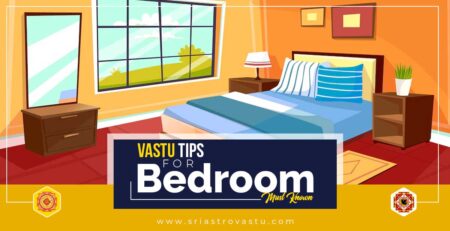


 Paytm
Paytm